
Longines
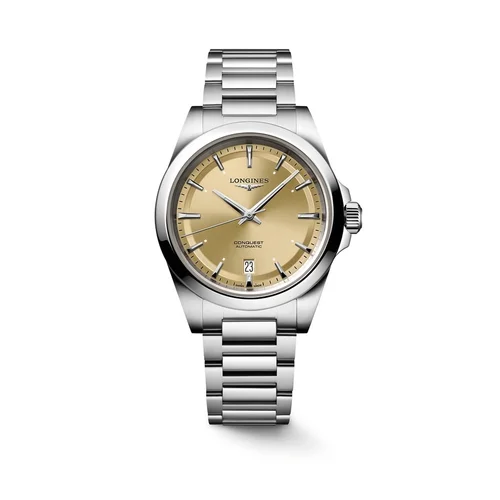
Conquest L3.720.4.62.6— lug 19mm
Longines Conquest L3.720.4.62.6: 19mm strap. Alligator, box calf, shell cordovan and rubber, cut and stitched in Milano. Choose your leather.
Artisanal Note
"This model requires a precise 19mm lug width to preserve the original sartorial balance."
Technical Specifications
Longines L3.720.4.62.6The essential strap measurement.
Browse 19mm straps →L3.720.4.62.6
Longines caliber L888.5 Hours, Minutes, Seconds | Date | Chronometer
The Heritage
Compatible Straps
Selected for the 19mm lug width of the Conquest


FAQ
What is the lug width of the Longines Conquest L3.720.4.62.6?
The lug width of the Longines Conquest L3.720.4.62.6 is 19mm, measured from the inner wall of one lug to the opposite side. This non-standard width makes the model an excellent candidate for bespoke strap commissions.
Which strap material is best suited to the Longines Conquest L3.720.4.62.6?
Chrome-tanned calf and alligator leather are technically optimal: calf offers daily resilience and fine grain texture; alligator delivers pronounced surface character and patina evolution. For natural tannage aficionados, shell cordovan combines structural durability with intrinsic lustre.
How do I change the strap on my Longines Conquest L3.720.4.62.6?
Remove the spring bars connecting the strap to the lugs using a dedicated spring bar tool, avoiding contact with the case. Align the new strap's holes with the spring bars and press until they lock automatically in place.
Can I fit a third-party strap to my Conquest L3.720.4.62.6?
Yes. Any strap sized at 19mm lug width is compatible with the Conquest L3.720.4.62.6. Ensure the base width accommodates the lug height to prevent lateral tension that would degrade the buckle and case shoulders over time.
How long will a leather strap last on the Longines Conquest L3.720.4.62.6?
A quality leather strap (calf, alligator, shell cordovan) will perform reliably for 18–36 months under daily wear, depending on frequency, climate exposure and moisture. Chrome-tanned skins require replacement when the buckle begins separating from its base; vegetable-tanned leather develops evolutionary patina, extending aesthetic appeal.