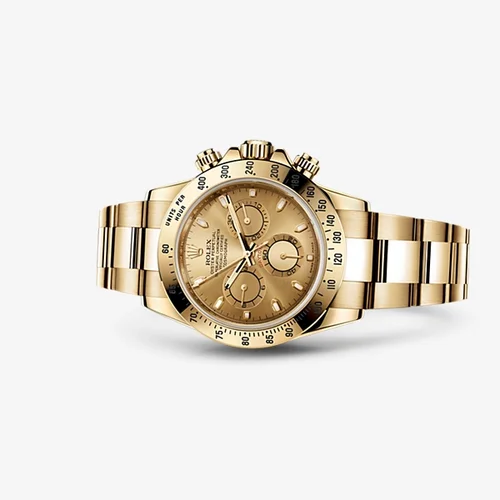
Rolex · Daytona

Strap for Daytona Yellow Gold Champagne

Takes 20 mm straps. Verified lug width, the straps that fit this model, and answers to the most common questions.

Lug width20 mm
Case diameter40 mm
Reference116528-0045
FamilyDaytona
MovementRolex caliber 4130 hours, minutes, small seconds | Chronograph, column wheel | chronometer
Year2000
CaseYellow Gold

Recommended spring bar

Spring bars Rolex Daytona 116520 — 20mm steel

Technical match for lug width and diameter · lug 20 mm · Ø 1.5 mm · closed lugs

All Rolex spring barsOpen →

Straps for the Daytona 116528-0045

Selected for the 20 mm lug width · workshop selection

All 20 mm straps →

The Daytona 116528-0045, seen from the bench

The Daytona reference 116528-0045 is equipped with the automatic caliber 4130 with chronograph and column-wheel function. The movement offers indication of hours, minutes, small seconds and chronograph with chronometer certification. The watch features 20mm lugs and uses the traditional architecture of the Rolex caliber 4130.

Frequently asked questions

What is the lug width of the Rolex Daytona 116528-0045?

The Rolex Daytona 116528-0045 features a lug width of exactly 20 millimetres. This dimension is the standard for all contemporary Daytona models manufactured after 2000. To verify the width, measure the distance between the metal lugs positioned on both sides of the case: the internal net space must equal 20 millimetres. If you own previous vintage Daytona models, confirm that the width is not inferior (some pre-2000 models utilised 19-millimetre lugs).

Which strap material is most suitable for the Daytona 116528-0045 in yellow gold?

Alligator leather represents the historically appropriate and stylistically coherent choice: the natural texture of African scales captures light harmoniously with yellow gold, creating an unmistakable chromatic synergy. African alligator (Crocodylus niloticus) offers fine grain and evolving patina over time. Alternatively, noble calf leather with vegetable tanning constitutes a contemporary solution, conferring more pronounced grain and accelerated patina development, ideal for daily wear. Technical rubber straps remain valid within a purely sports context, whilst NATO straps maintain greater versatility on steel cases.

How do you change the strap on a Rolex Daytona?

Strap replacement requires a specific tool called a spring bar tool. Procedure: remove the watch from your wrist, position the chronograph on a soft cloth to prevent scratches, insert the tool tip into the hole situated beneath the metal lug, apply gentle downward pressure whilst simultaneously extracting the lug from its housing. Repeat identical operation on both sides. Position the new strap by aligning the internal lugs with their seatings and press gently until the lug engages completely. For high-value chronographs, consultation with an authorised service centre is advisable.

Is a 20mm aftermarket strap compatible with the Daytona 116528-0045?

Yes, any strap featuring 20-millimetre lugs (correctly measured) is compatible with the Daytona 116528-0045. Compatibility is determined solely by lug width: once verified that the strap presents internal lugs of 20 millimetres, the fitting is geometrically feasible. However, to ensure aesthetic and qualitative coherence, selecting straps crafted from noble materials (alligator, calf, technical rubber) reflecting the luxury standard of the watch is advisable. Handcrafted Milanese straps, constructed by hand with selected leathers and refined finishings, maintain the stylistic integrity of the chronograph.

How long does a leather strap last on a Rolex Daytona?

Leather strap durability depends upon frequency of use, material quality and maintenance practices. A superior-quality alligator strap, worn daily yet subjected to correct maintenance (regular cleaning with neutral detergent, delicate air-drying, protection from excessive humidity), maintains structure and aesthetics for 3 to 5 years. Noble calf leather offers comparable durability, although more pronounced grain may display visible patina within 12 to 18 months of intensive use. Technical rubber straps (FKM), whilst moisture-resistant, tend to degrade within 4 to 7 years owing to oxidation. Maximum longevity is achieved through seasonal alternation between straps (cotton/rubber in summer, leather in winter) and programmed replacement every four years for wearers preferring optimal watch condition.

The next step

The right strap isn't chosen. It is built, together.

From the atelier appointment to delivery, every step is made for those who know that things done well take time. Rare leathers, one piece at a time, eighteen months of warranty.

Request an appointment →

Casati Milano · Via XX Settembre 15, Milan · by appointment only